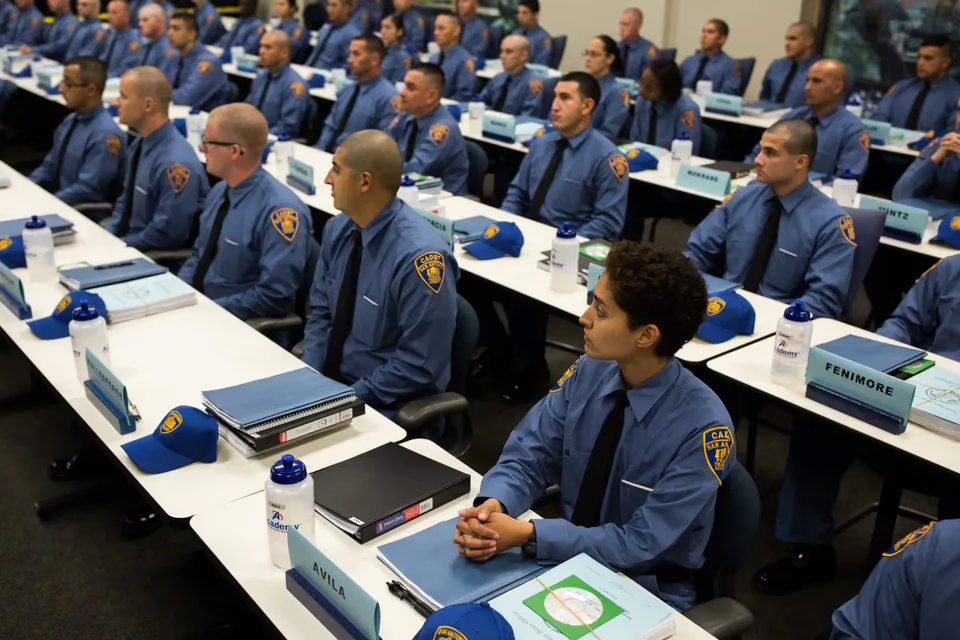
Law EnforcementLeadership and Accountability Training
Built for the StreetAnd The Squad Room
Thatcher Lewis provides law-enforcement leadership training for emerging leaders, corporals, sergeants, lieutenants, captains, command staff, and chiefs. Every course is scenario-driven and customized to your agency's general orders, standard operating procedures, supervisory expectations, operational risks, and community priorities. That customization is what separates police leadership training from a management seminar with a badge on the cover: the scenarios come out of your policy manual and your call load.
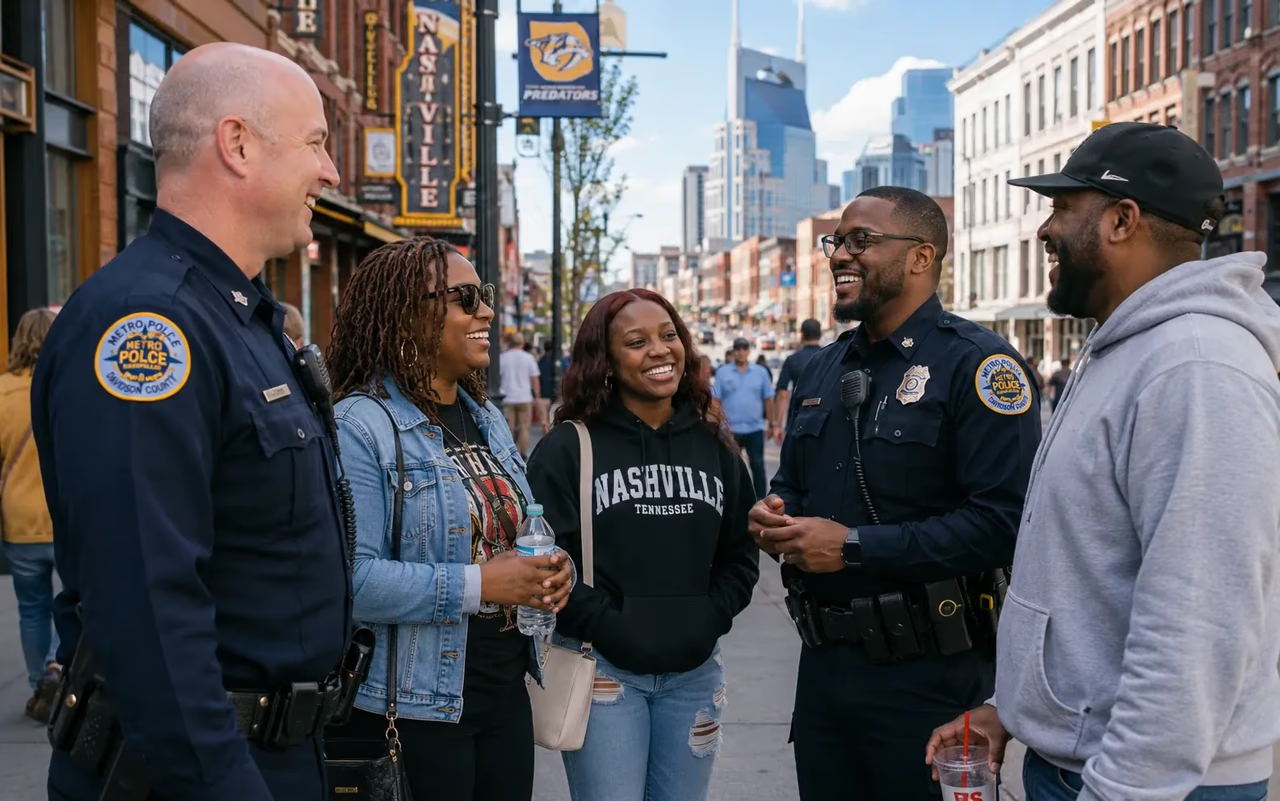
Patrol supervisor leadership gets the most room in the schedule, because the shift is where standards are either held or quietly lost. Participants work through realistic leadership situations involving decision-making under pressure, critical conversations, duty to intervene, employee coaching, documentation, shift briefings, call debriefings, and communication with personnel and the public. The emphasis is not abstract theory; it is practical leadership that can be applied on the next shift.
Led by Chief Jon Fehlman, a career law-enforcement leader serving since 1984 from patrol through chief of police, the training helps supervisors set clear standards, address problems early, make defensible decisions, and develop the people they lead.
From first-line supervisor development to executive command leadership, Thatcher Lewis equips agencies with a consistent leadership framework that supports accountability, credibility, organizational culture, and community trust.
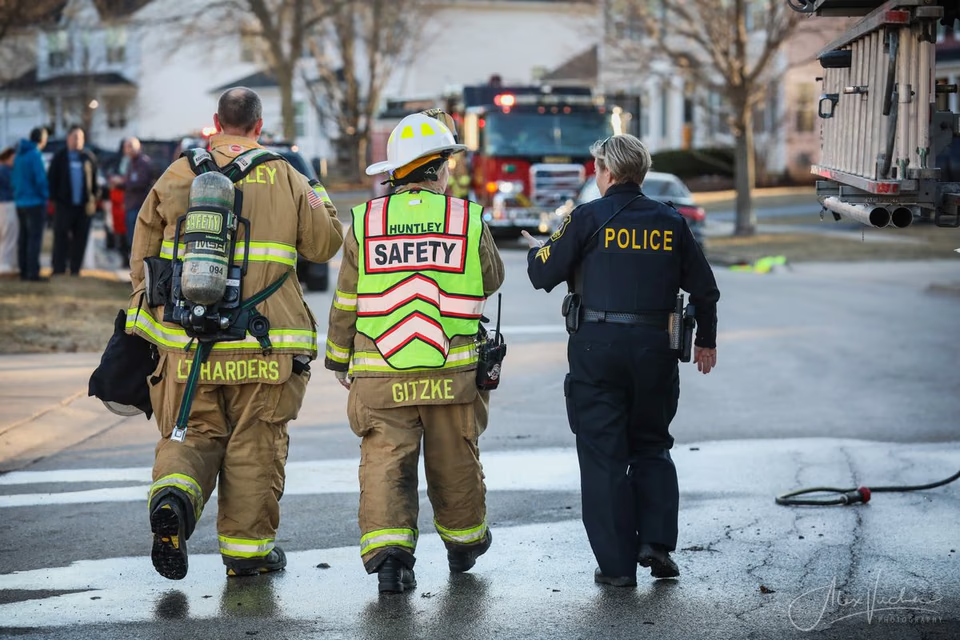
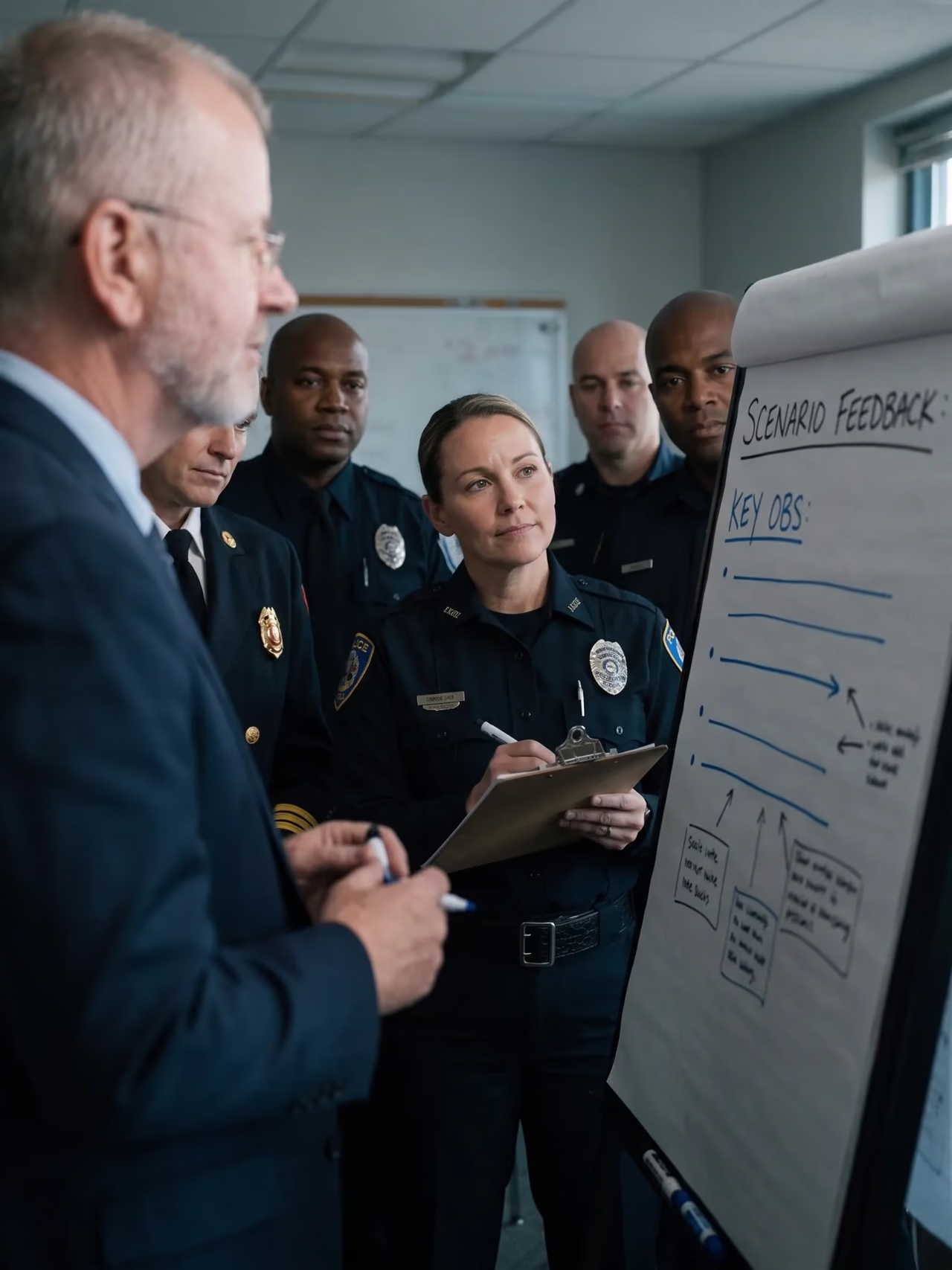
What you'll learn
Patrol Supervisor Essentials
Police supervisor training for corporals and new sergeants. Conduct briefings, set standards, debrief calls, control scenes, document decisions, and brief-debrief every shift to keep crews safe and productive.
Executive Command Leadership
Classes for Command Staff. Align general orders, labor and risk, and public messaging. Communications with elected leaders, the community, and department personnel.
Leadership & Accountability Training
Leadership and accountability training for sergeants and supervisors. Build communication skills, coach performance, write the kind of record that holds up in an internal affairs review or an RMS and CAD audit, and use quick debriefs to improve every shift.
Culture, Ethics, and Accountability
Turn values into daily behaviors. Set clear expectations, use fair discipline, document well, and use early-intervention indicators to correct course before problems grow.
Duty to Intervene and Critical Conversations
Equip officers to intercede early, speak up, and report concerns. Run clear, policy-aligned performance conversations that correct behavior, protect credibility, and preserve trust.
From General Orders To Street Ready Skills and Scenarios
Essentials: Ideal for corporals and acting sergeants, sergeants and senior officers serving as supervisors, first-line unit leads or detectives, and field training officers.
Executive: Built for lieutenants and watch commanders, captains or commanders, division managers overseeing patrol, investigations, or corrections, and the deputy chiefs, chiefs of police, and agency heads who set organizational mission, vision, and values.
Discovery call
A real conversation about your agency: goals, current friction points, supervision gaps, and what outcomes would make the training worth it. You leave the call with a clear picture of fit, and a written proposal follows.
Policy-aligned build
We align the curriculum to your general orders, SOPs, and policies. Scenarios are rewritten around the decisions your supervisors actually face, so nothing in the room feels like generic corporate training with a badge sticker on it.
Scenario-based delivery
Two to five days, taught personally by Chief Jon Fehlman, on-site at your agency, live online, or hybrid. Cohorts of 15+ work through accountability, tactical communication, and critical conversations by doing them, not by watching slides about them.
Reinforcement
Most leadership programs end when the workshop does, and old habits reassert themselves within weeks. Sustained coaching after class is what converts new skills into lasting, on-the-job habits: the difference between an event and a change.
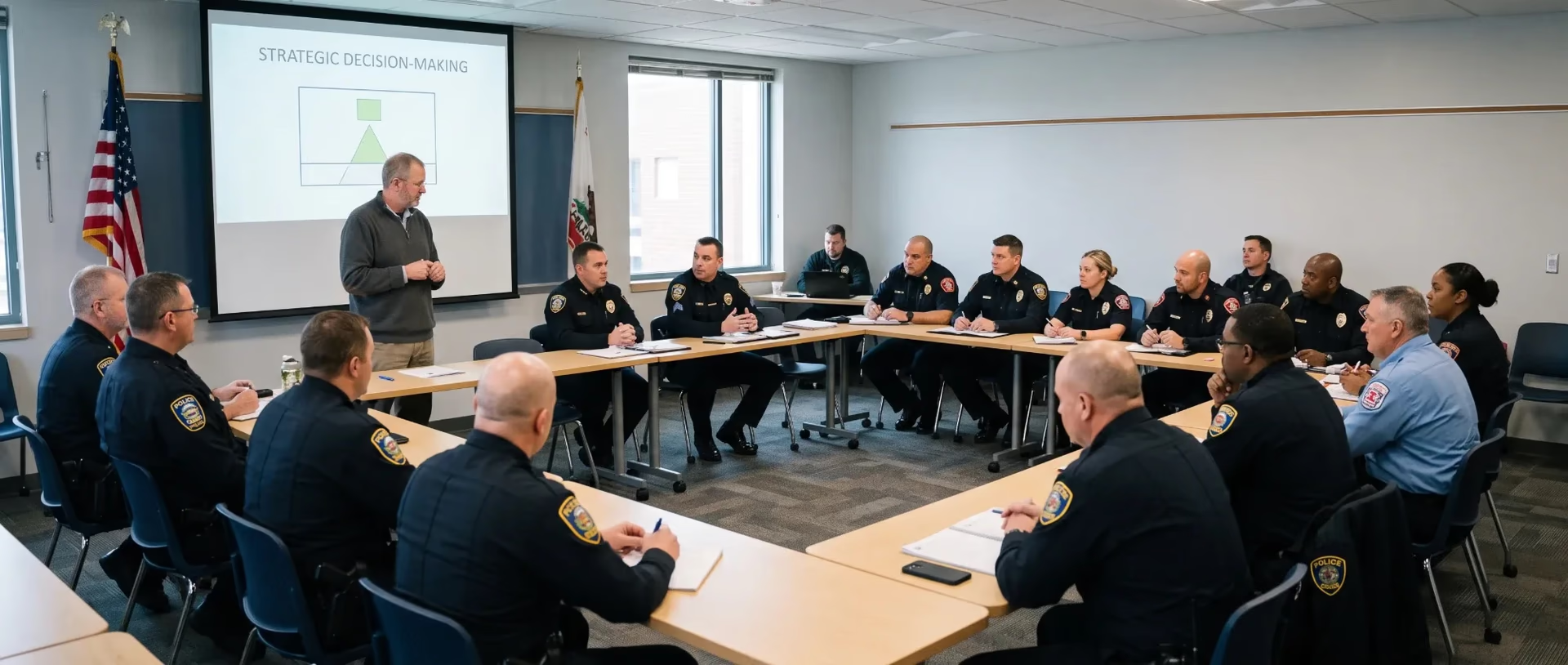
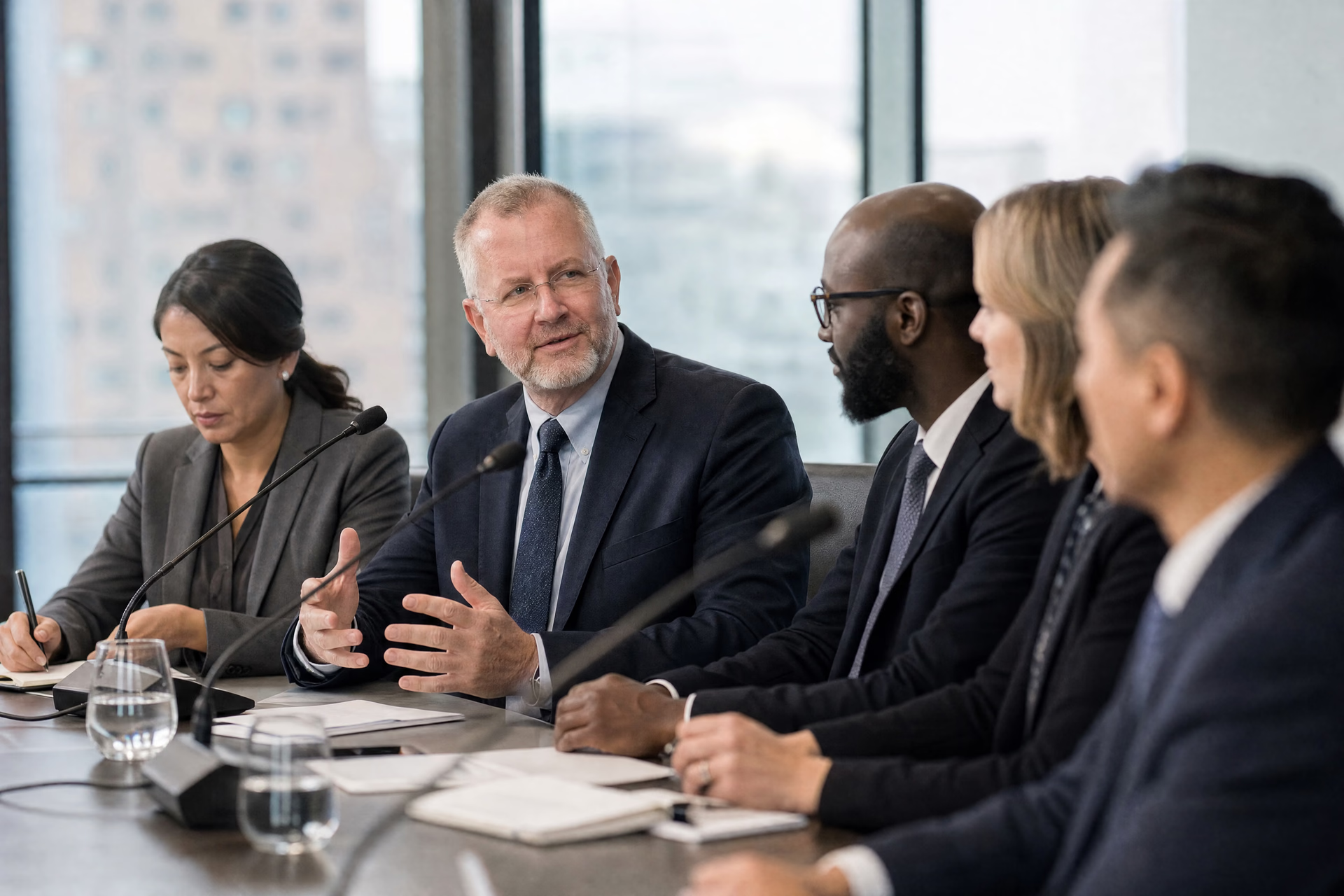
Protect the Mission, Your Community, Your People and Agency.
Effective law-enforcement leadership protects more than daily operations. It protects officer safety, public trust, organizational credibility, agency culture, and the mission your personnel are sworn to serve.
Thatcher Lewis provides police leadership training for emerging leaders, corporals, and sergeants, and for lieutenants, command staff, and police executives. Every engagement is customized to your agency's general orders, supervisory expectations, operational risks, and community priorities, never delivered as a generic leadership presentation.
Led by Chief Jon Fehlman, a career law-enforcement leader serving since 1984 from patrol through chief of police, the training connects leadership principles to the responsibilities supervisors face every shift. Participants work through realistic, policy-aligned scenarios involving decision-making under pressure, critical conversations, accountability, documentation, duty to intervene, briefing and debriefing, employee coaching, and communication with the community. Chief Fehlman is also DISC certified.
The goal is practical application: leaders who can set clear standards, make defensible decisions, address problems early, communicate with credibility, and build a culture in which personnel understand both what is expected and why it matters.
Whether your agency is preparing its next generation of supervisors or strengthening an existing command team, Thatcher Lewis builds the leadership habits that help protect your people, your reputation, your community, and your mission.
Police leadership training is one of four sector programs the firm runs; the fire, EMS, and local-government versions share this framework, and the sector-specific leadership training overview shows how they differ. POST credit is not yet available, so training units that need it receive the POST and continuing-education documentation required to submit a course for state or local approval.
Training built around your agency
- Policy-aligned: Customized to your general orders, SOPs, and supervisory expectations.
- Scenario-driven: Built around the decisions and conversations your leaders actually face.
- Chief-led: Informed by leadership experience from patrol through executive command.
- All ranks: Designed for emerging leaders, first-line supervisors, and command staff.
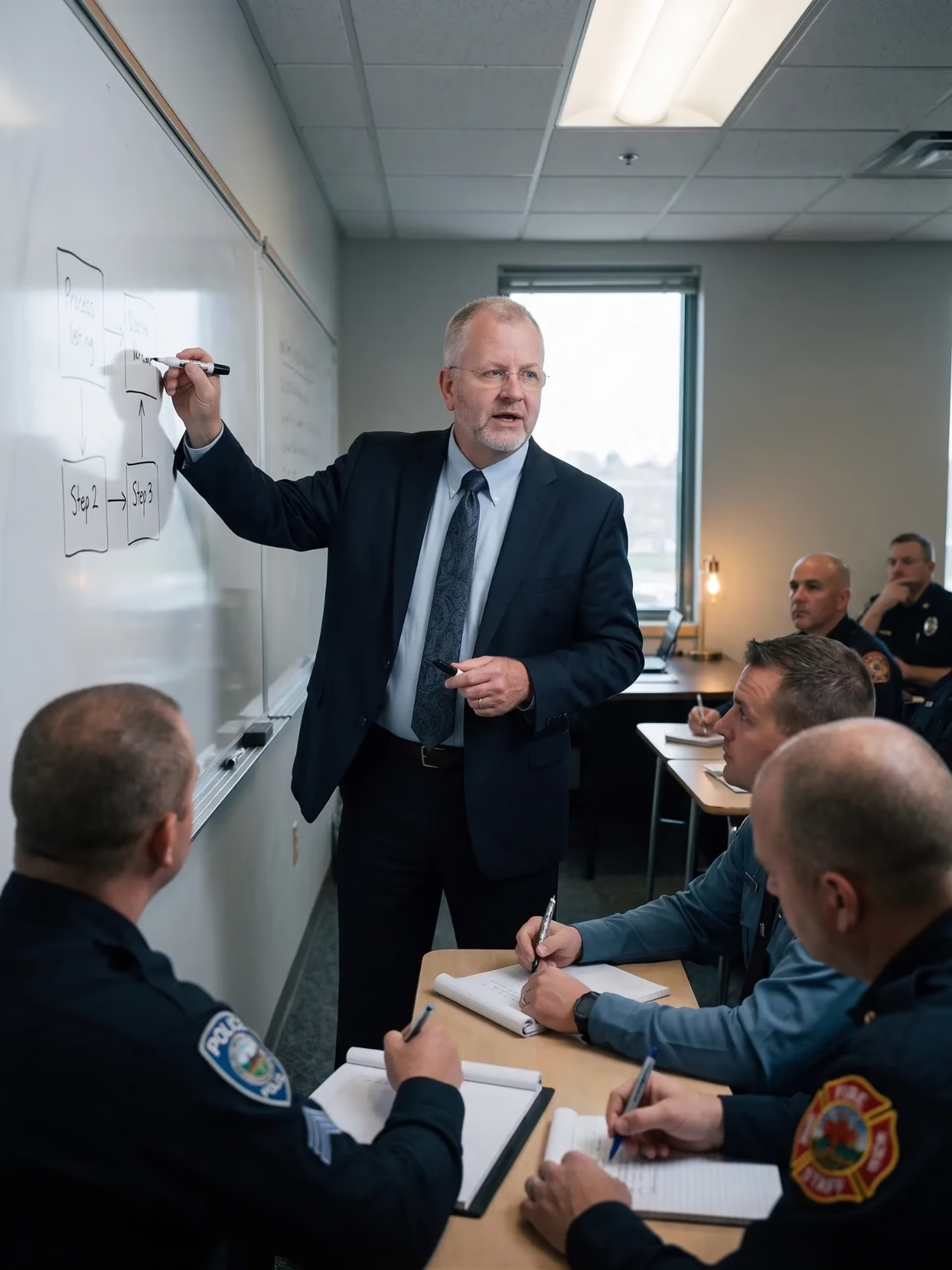
A Message From Our Founder, CEO and Leader

“Training saves lives. Leadership training provides the standards everyone in your agency needs to strive for. By training all levels of your agency, Thatcher Lewis helps your agency move forward to face the challenges ahead.”

Announcement Syndicated On
Nationwide Announcement syndicated across national and regional outlets





We're here to help


Leaders and emerging leaders from law enforcement, fire departments, EMS services, and public administration benefit from this training. Patrol supervisors, command staff, shift leaders, and city or county managers gain practical tools for communication, accountability, decision-making, and daily leadership.
On site, live online, or hybrid. Two to five days depending on modules. Ideal cohort size 15 and up. Venues determine the maximum number of seats available. Regional, multi-agency sessions are available.
Every course is rebuilt around your agency before anyone walks into the room. The curriculum is aligned to your own general orders, SOPs, and discipline policy, and the scenarios are rewritten around the calls, complaints, and personnel decisions your supervisors are already handling. The leadership topics stay constant while the examples used to teach them change from one agency to the next.
POST credit is not yet available. Individual agencies may submit for POST approval. We supply learning objectives, hours, instructor bios, outlines, and assessments so your training unit can submit for POST or local approval. We can also provide completion certificates for personnel files and audits if requested.
Thatcher Lewis aligns curriculum to current standards published by government and industry bodies. Below are primary sources we reference for accountability frameworks, training standards, and policy guidance.
U.S. Department of Justice: COPS Office
Federal grants and policy guidance on community-oriented policing, supervisor accountability, and modern law-enforcement training.
International Association of Chiefs of Police (IACP)
Industry standards on leadership development, ethics, and command-staff certification used by agencies nationwide.
Bureau of Justice Assistance: VALOR Initiative
Officer safety and wellness research that informs scenario-driven decision-making and post-critical-incident debriefs.
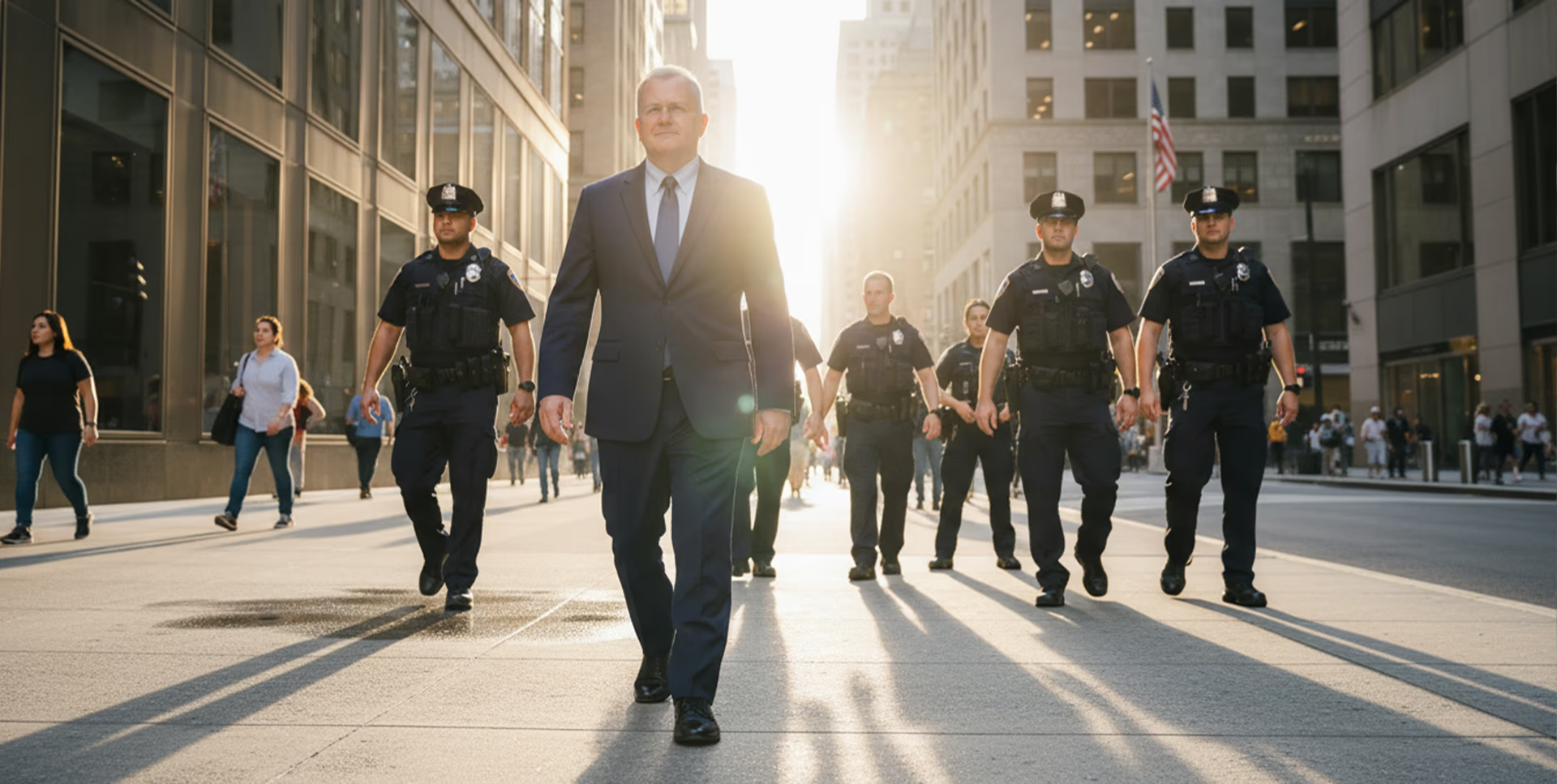
Ready to Develop Your Leaders?
Partner with Thatcher Lewis to build confident, principled leaders who drive results and strengthen your organization from the inside out.
Get Started